Acupuncture
Evidence-based veterinary acupuncture (EVBA)
Evidence-based veterinary acupuncture rooted in modern anatomy, neurophysiology, and clinical research — used alongside diagnostics, medications, and rehabilitation to manage pain and support healing.
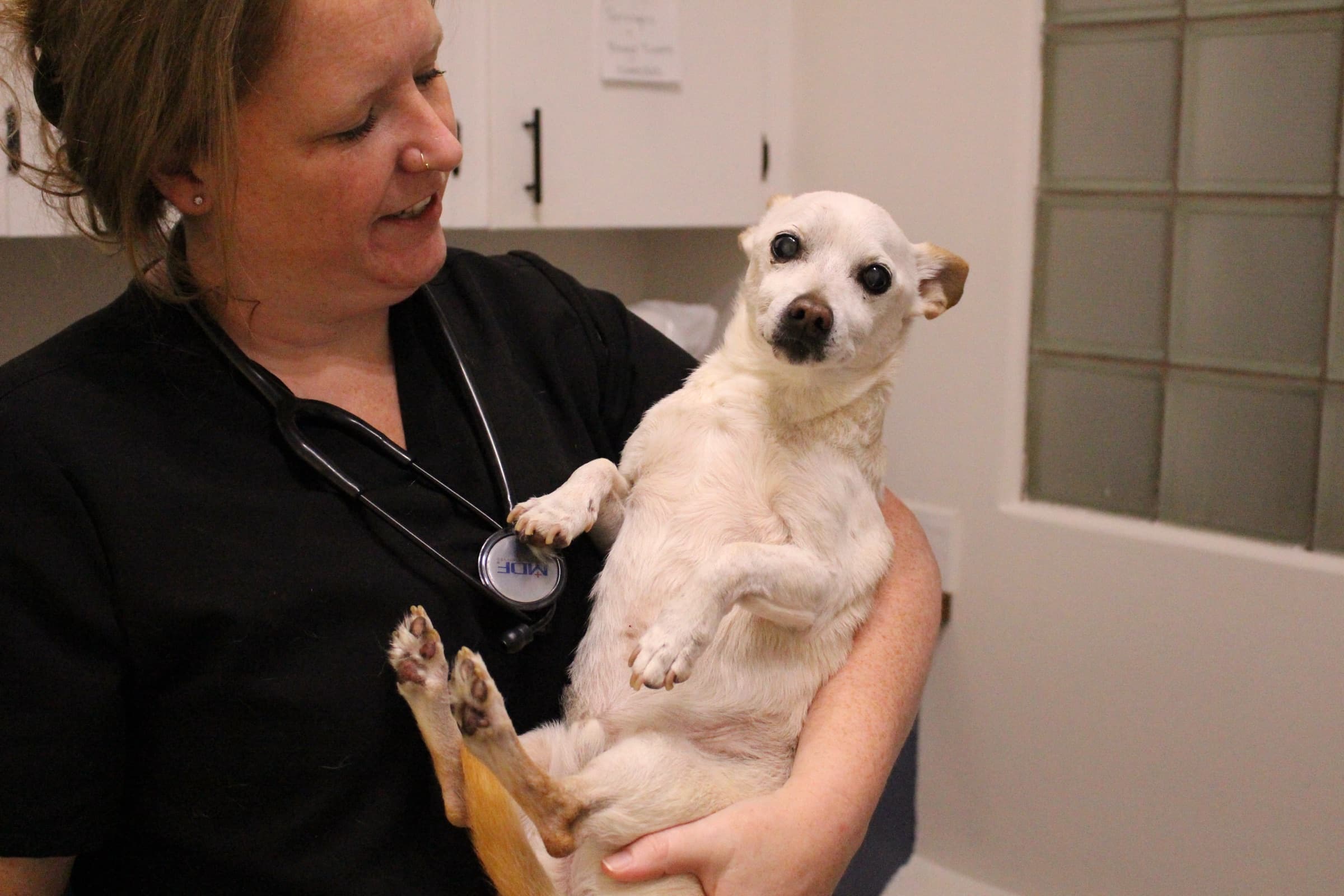
Veterinary acupuncture is a medical therapy used to help manage pain, improve mobility, support healing, and enhance quality of life. At Bedford Animal Hospital, acupuncture is practiced as part of an evidence-based strategy, and is used alongside diagnostics, medications, rehabilitation, and other therapies.
Our approach is rooted in modern anatomy, neurophysiology, and clinical research, ensuring treatments are safe, targeted, and medically appropriate for each patient.
A Brief History of Acupuncture
Acupuncture is one of the oldest medical therapies still in use today. Forms of acupuncture and needle-based therapies have been practiced across East Asia for thousands of years, with the earliest and most extensively documented systems developing in ancient China more than 3,000 years ago.
For much of history, acupuncture was explained using traditional medical frameworks that predated modern anatomy and physiology. Today, advances in neuroscience, imaging, and pain research have allowed us to better understand why acupuncture works.
Modern research shows that acupuncture:
- Stimulates peripheral nerves and spinal cord pathways
- Modulates pain processing in the central nervous system
- Promotes release of endorphins and other neurochemicals
- Improves local blood flow and reduces inflammation
- Influences muscle tone and neuromuscular function
What ancient practitioners recognized through careful observation is now increasingly explained through modern medical science.
What Makes Our Approach Different?
While acupuncture originated within Traditional Chinese Veterinary Medicine (TCVM), our hospital practices evidence-based veterinary acupuncture (EVBA), which differs in important ways.
Evidence-Based Veterinary Acupuncture:
- Uses acupuncture points based on anatomic, neurologic, and myofascial pathways
- Focuses on measurable physiologic effects, such as improved blood flow, neuromodulation, and anti-inflammatory responses
- Is fully integrated into conventional veterinary medicine
- Is guided by diagnosis, imaging, lab work, and clinical response
- Is supported by growing veterinary and human medical research
How This Differs From TCVM:
- We are not trained to diagnose or treat based on traditional concepts such as Qi imbalance, organ meridians, or elemental theory
- We are not trained to provide treatments that are based on energy flow models
- Acupuncture for us is used as a medical tool, not an alternative philosophy
This allows us to provide acupuncture that complements — rather than replaces — conventional veterinary care.
Conditions We Commonly Treat
Acupuncture may be recommended for pets with:
- Arthritis and chronic pain
- Geriatric decline and comfort care
- Sporting/performance issues
- Mobility issues or stiffness
- Back, neck, or neurologic pain
- Post-surgical recovery
- Cancer support
- Intervertebral disc disease
- Gastrointestinal disease
- Kidney disease
- Appetite changes
- Stress and anxiety-related conditions
Many patients become relaxed during treatment, and some fall asleep.
What to Expect During an Acupuncture Visit
Acupuncture appointments are designed to be calm, quiet, and comfort-focused, and are scheduled separately from routine medical visits. This allows us to minimize questions and interruptions and focus on helping your pet relax and benefit from treatment.
Each visit includes a focused medical assessment followed by gentle placement of very fine, sterile needles at specific acupuncture points. Most treatments last 20–30 minutes and are well tolerated by both dogs and cats. Sedation is not required, and many pets relax deeply or fall asleep during their session.
To preserve this low-stress environment, medical discussions, diagnostics, and treatment plan adjustments are best addressed during a separate exam or recheck visit.
How Many Treatments Will My Pet Need?
Acupuncture works best as a series of treatments, particularly for chronic conditions.
- Acute conditions: improvement may be seen after 1–2 sessions and are seen more frequently
- Chronic conditions: most pets benefit from 4–6 weekly treatments, followed by maintenance care as needed (usually every 2-4 weeks)
Your veterinarian will develop a personalized plan based on diagnosis, response, and long-term goals.
Why Acupuncture Is Often Combined With Other Therapies
Acupuncture is most effective when used as part of a multi-modal treatment plan, which may include:
- Laser therapy
- Shockwave therapy
- Rehabilitation and therapeutic exercises
- Weight management and muscle strengthening
- Nutritional and supplement support
- Pharmaceutical medications
Combining these therapies allows each treatment to build on the others, supporting better pain control and longer-lasting results than any single approach alone.
Is Acupuncture Right for Your Pet?
If your pet is experiencing pain, mobility changes, reduced performance, chronic illness, or you are seeking additional support beyond medications alone, acupuncture may be an excellent option.
We are happy to discuss whether acupuncture is appropriate for your pet and how it may fit into their overall care plan.
Related services
Laser Therapy
Gentle, non-invasive photobiomodulation that reduces pain, decreases inflammation, and supports tissue healing — sessions are calm, and most pets relax during treatment.
Learn moreShockwave Therapy
The only practice in the area offering shockwave therapy
The only practice in the area offering extracorporeal shockwave therapy — targeted sound waves that stimulate healing and reduce pain in tendons, ligaments, joints, and bone.
Learn more